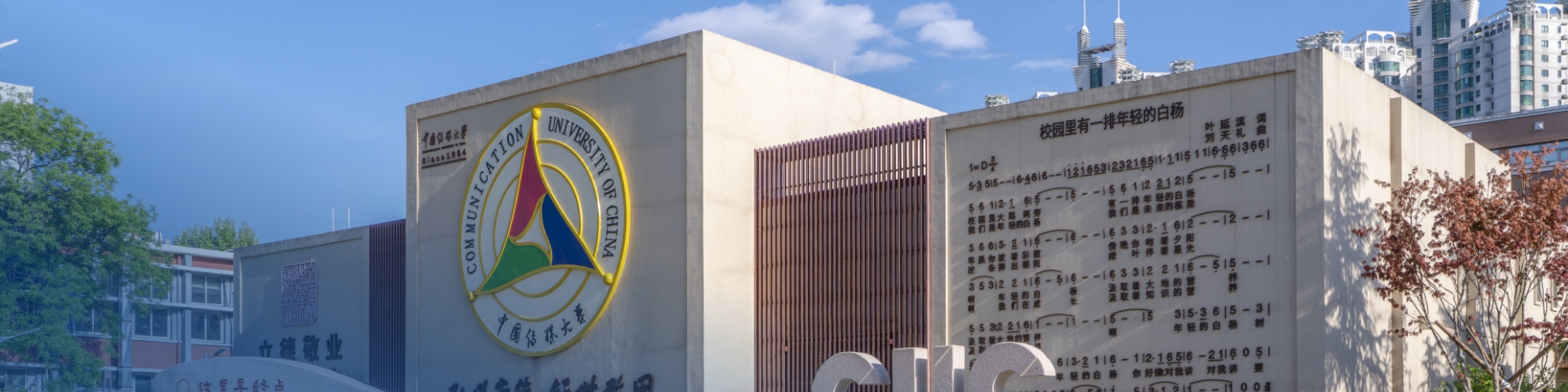
Good News|Our student team’s AI short film was showcased at the 78th Cannes International Film Festival – International Sci-Fi Film Summit
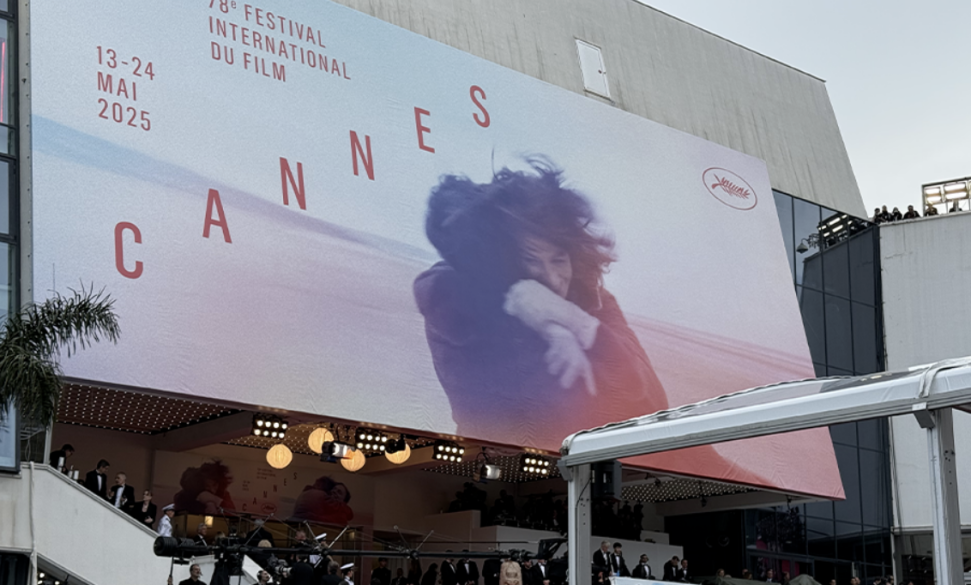
On May 19 (Cannes local time), from 16:00 to 18:00, the “Sci-Fi Film Summit” of the 78th Cannes International Film Festival – Marché du Film was held on the Main Stage of the Palais des Festivals.The short film E-Spark, created by students Yang Lijian, Sun Qianhui, Li Yifei, Luo Zimeng, and Liang Yongqi from the School of Drama, Film and Television, was invited for a special screening as part of the “Future Vision Initiative · AI Sci-Fi Short Film Collection”.It was showcased alongside other selected works from the Dreamina AI “Future Vision Initiative,” including Tango, The Alien Shadow, The Traveler, Mosquito, and The 1001st Planet: AI Reconstructing the Earth Archive.
At the Cannes event, film industry leaders and emerging creators from around the world gathered to explore the possibilities of integrating AI and science fiction cinema through keynote speeches, panel discussions, and film screenings.The Cannes International Film Festival (Festival de Cannes), together with Venice and Berlin, forms the trio of Europe’s top film festivals. As a vital component of the festival, the Marché du Film (Cannes Film Market) is one of the largest and most influential film trading platforms in the world.
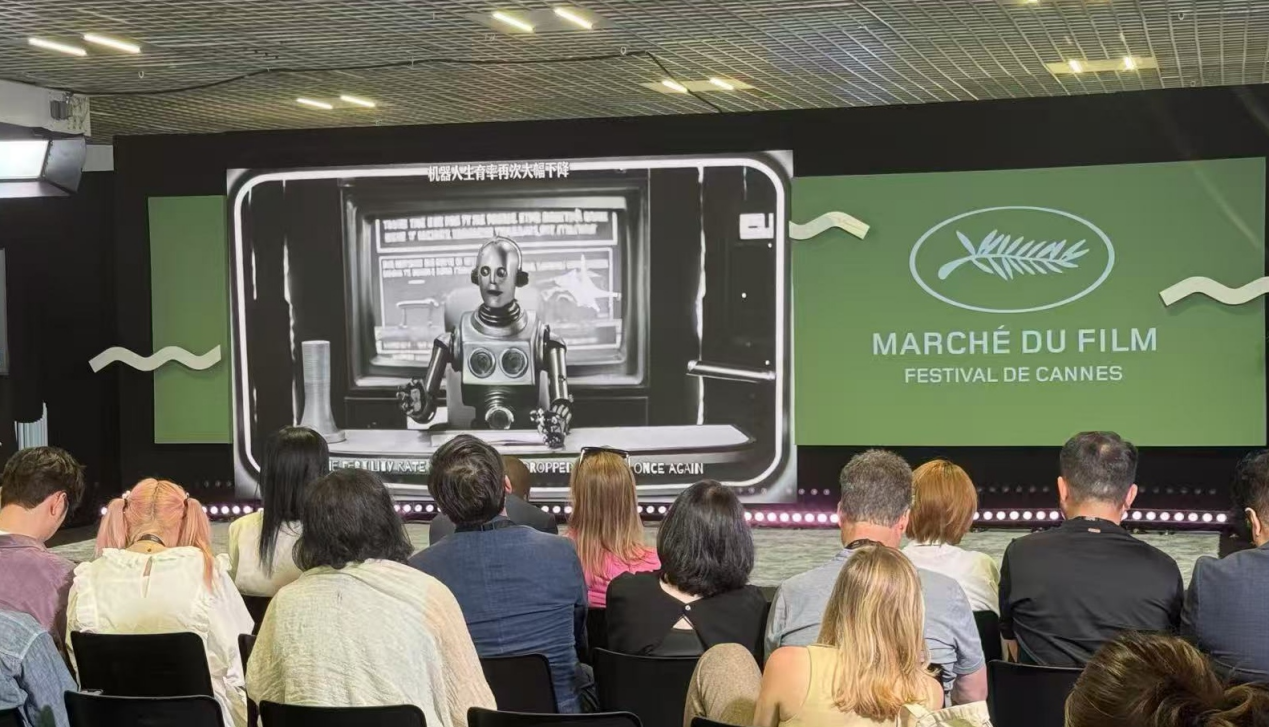
As a specially selected AI short film, the work will also be showcased this September at China’s only sci-fi film festival platform — the China (Xiangshan) 30° North Latitude Sci-Fi Film Week.Launched in 2024 following the establishment of the Sci-Fi Film Committee of the China Film Association, the inaugural edition of the 30° North Sci-Fi Film Week was themed “The Age of AI Symbiosis: Embracing Youth and the Sea.” From its AI × IP-driven Sci-Fi Film Lab to its initiatives encouraging young directors to integrate AI into their creative processes, the festival has consistently promoted innovation and youth-driven exploration in the realm of AI-empowered science fiction cinema.
Event Review
The Sci-Fi Film Summit, the only official sci-fi–themed event at this year’s Cannes Marché du Film, was held under the theme “Connecting the World Through Sci-Fi: New Opportunities for Sci-Fi Films in the AI Era.” The summit brought together leading filmmakers, creators, and experts in science fiction and technology to explore new opportunities for sci-fi cinema in the age of artificial intelligence.
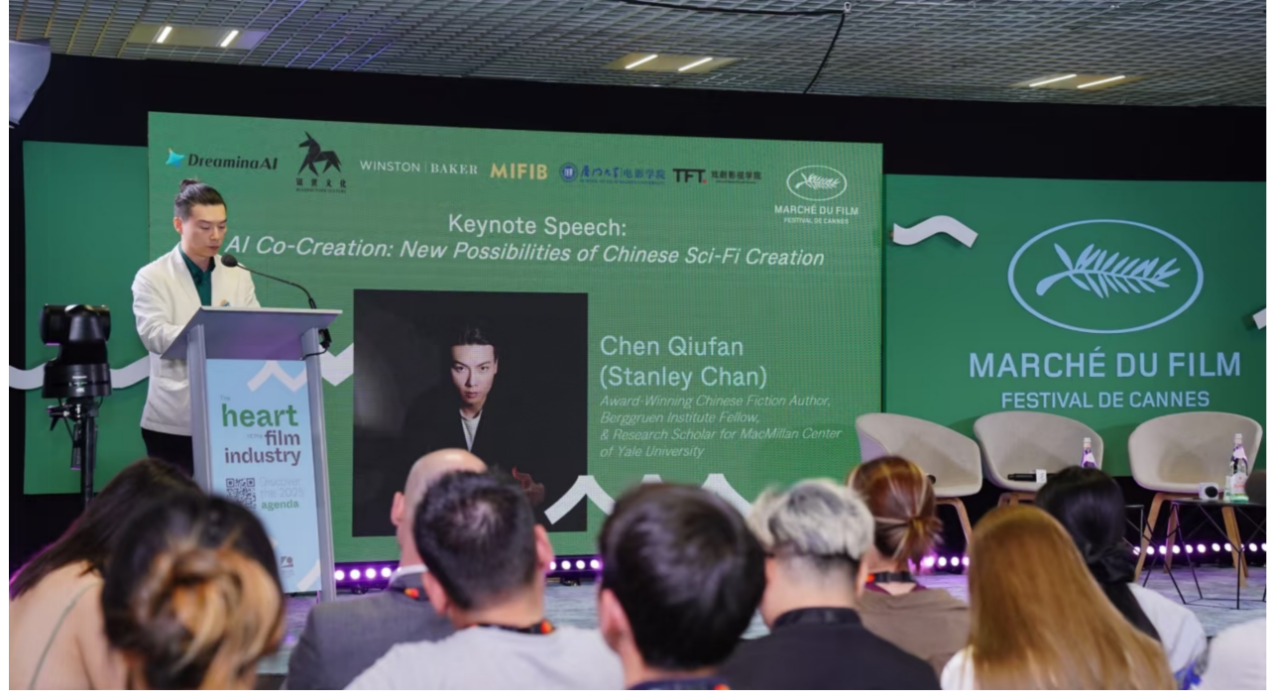
At the opening of the summit, Chen Qiufan — writer, translator, and futurist, as well as script consultant for Bi Gan’s sci-fi film The Wild Age — delivered a keynote speech titled “AI Co-Creation: New Opportunities for Chinese Science Fiction.”During the event, the award-winning films from the “Future Vision Initiative · AI Sci-Fi Short Film Collection” were screened on-site. With imaginative storytelling and pioneering applications of AI technology, these works showcased new creative directions for sci-fi cinema, sparking enthusiastic responses and lively discussions among international professionals in film and science fiction.
In the roundtable session, distinguished guests including Peggy Chiao (renowned film producer), Alex Barder (Co-founder and Managing Partner of Beast Media Group), Josef Brandmaier (Producing Partner at Penned Pictures), Neerja Narayanan (Producer at Disney UTV Studios), and Cole Clifford (Co-founder of Pickford AI) engaged in an in-depth discussion on the boundaries between AI and filmmaking, AI’s impact on the film industry, and the new opportunities and challenges for international collaboration brought by AI.Meanwhile, Ma Heliang, Secretary-General of the Sci-Fi Film Committee of the China Film Association and curator of the 30° North Latitude Sci-Fi Film Week, announced during the “30° North Sci-Fi Film Week Presentation” that the second edition of the China (Xiangshan) 30° North Latitude Sci-Fi Film Week will officially launch this September, inviting audiences and creators to explore new possibilities for Chinese sci-fi cinema in Xiangshan.
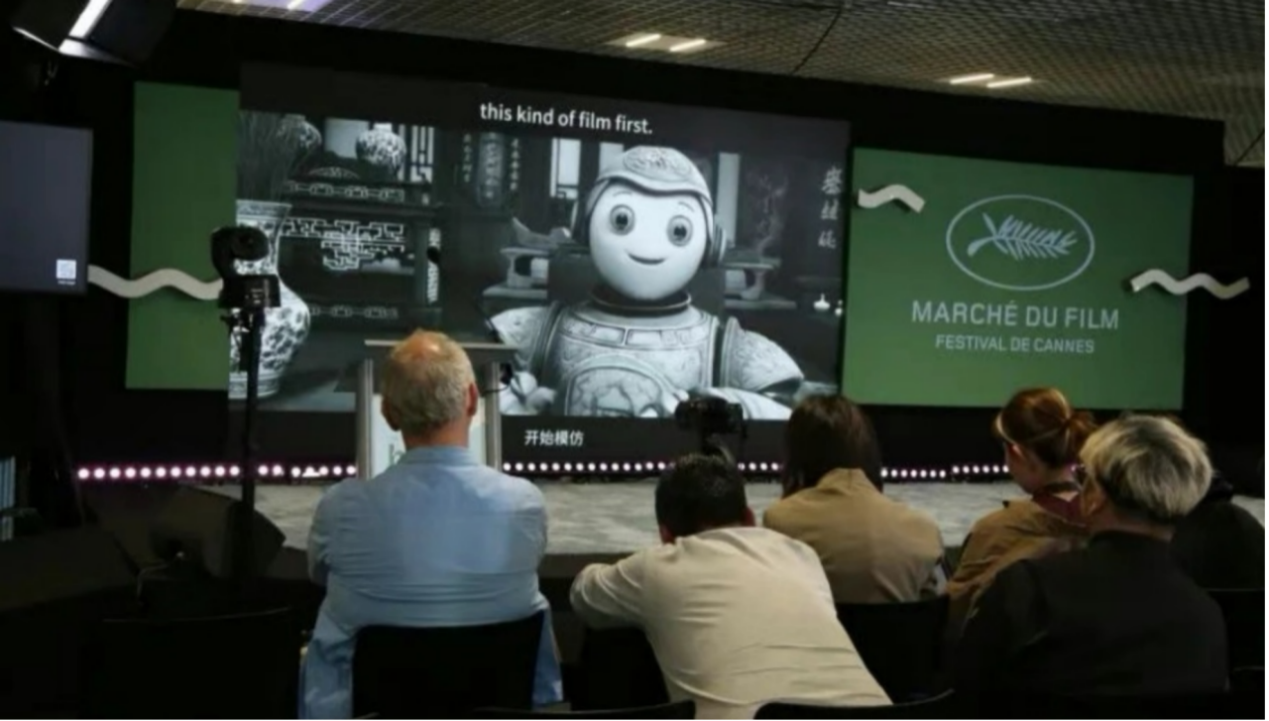
The summit was co-hosted by the Cannes Marché du Film, Dreamina AI, Beijing Silverwing Spectacle Media Co., Ltd., Xiamen Maritime Silk Road Film Technology Co., Ltd., and WINSTON | BAKER.It was co-organized by the School of Drama, Film and Television at the Communication University of China, the School of Film at Xiamen University, and Beijing Xinker Plus One Technology Co., Ltd., with support from Science Fiction World Magazine, the Science Fiction Literature Museum, and Baguangfen Culture.
Film Synopsis

Figure 1:Poster of AIGC short film "E-Spark"
This AI-generated experimental sci-fi romance short film is set in a future dominated by machine civilization. It explores robots’ philosophical reflections on love and life.The film parodies iconic scenes from classic romance movies, replacing human protagonists with robots to tell the story of silicon-based beings imitating carbon-based emotions in an attempt to solve a fertility crisis.Employing both AI language and visual generation models, the creative team integrates diverse aesthetic styles, allowing robotic gestures to convey subtle human emotions.Although the short ends without resolving the crisis, it lets love bloom amid cold machinery, paying tribute to the history of cinema while poetically questioning the nature of humanity and technology in the AI era.
Awards & Recognition
2025 MIT AI Filmmaking Hackathon – Best Narrative Award
2025 Beijing International Film Festival (BJIFF) – Best AIGC Creative Award
2025 BJIFF · University Student Film Festival – Official Selection, Original Short Film Category
17th Xianli Awards – Silver Award, AIGC Short Film Section
10th Cross-Strait Youth Online Audio-Visual Exhibition – Best Work Award
Communication University of China Future Vision Research Center × Hailuo AI Workshop – First Prize, AIGC Short Film Category
4th New Audiovisual Fusion Innovation & Creativity Competition – Excellence Award, Technology Application Track
Selected for the 1st Youth Audiovisual Creation and Theory Showcase
Creative Concept
The inspiration for this film came from an ordinary afternoon.While we were discussing the question — “If robots needed to reproduce in their own society, how would they understand human love?” — our takeout curry hadn’t even gone cold when the idea of an Indian-accented robot scientist suddenly popped up.That absurd yet philosophical spark became the starting point of the entire project.
The story is set in a future world ruled by robots, long after humans have disappeared. As time progresses, this robotic civilization faces a decline in its reproduction rate. By chance, the robots discover that humans once had something called “love”—a mysterious emotion that often led to the creation of new life.Intrigued, the robots begin to wonder,perhaps, if they could learn to love, they might also rediscover the key to sustaining their own existence.
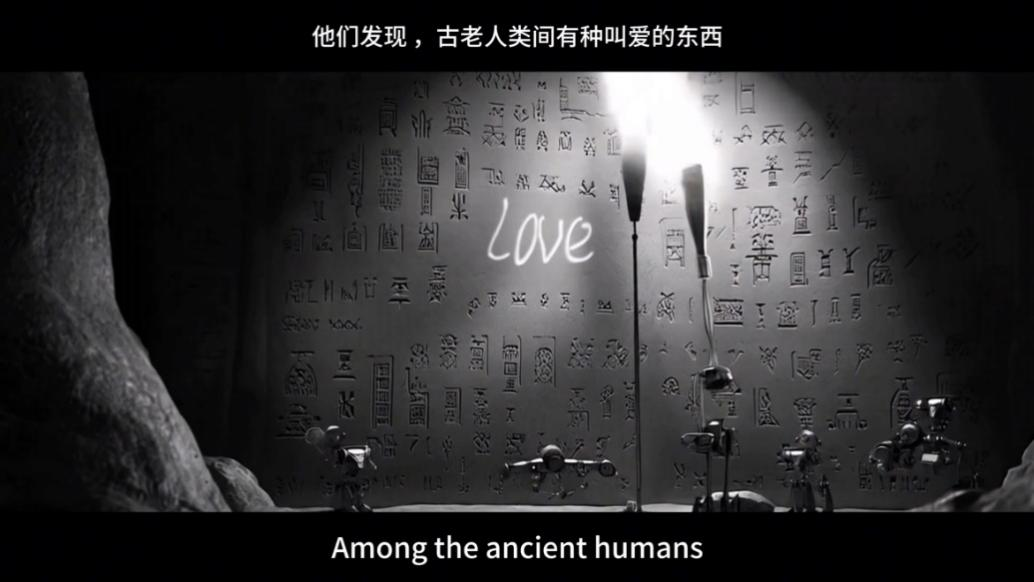
Figure 2: AIGC short film 'E-Spark' stills
Cinema—those ancient moving images that once recorded human love—becomes the perfect archive for robots to study what “love” means.In the film, the robots recreate and imitate classic scenes from human romance movies, using them as templates for their own attempts at affection.This collective mimicry of cinematic love stories becomes the core motif of the narrative, where imitation turns into exploration, and programmed gestures begin to echo genuine emotion.
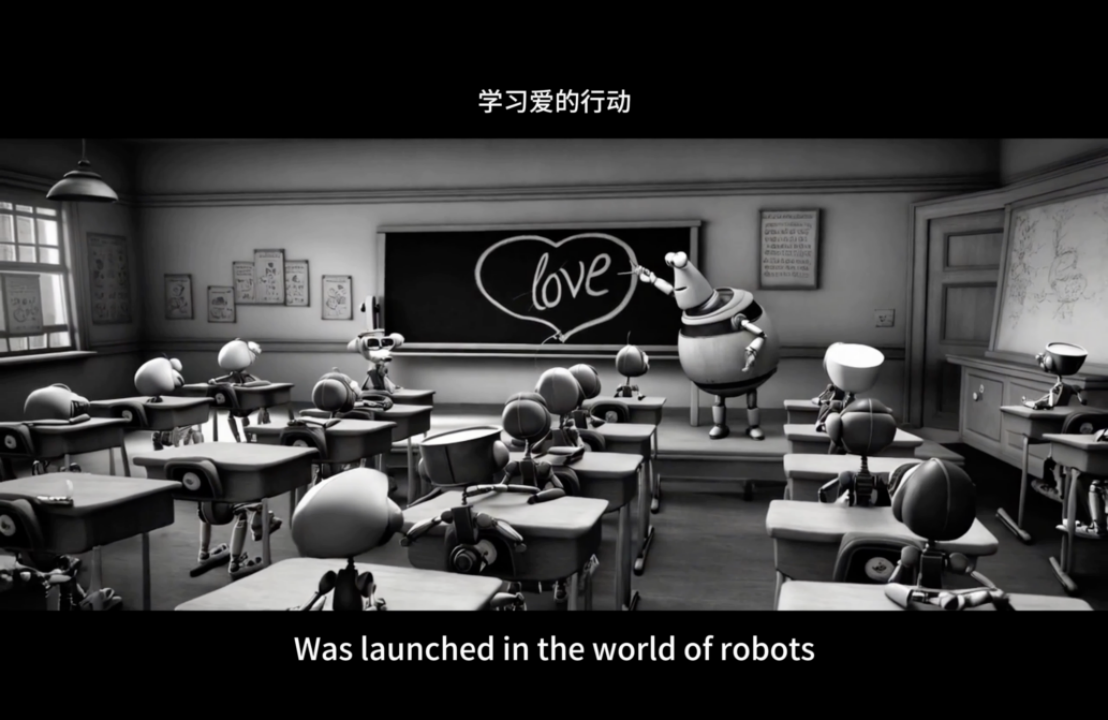
Figure 3: AIGC short film 'E-Spark' stills
However, by the end of the film, the problem of the declining birth rate in the robot society remains unsolved.Yet, something has quietly changed…
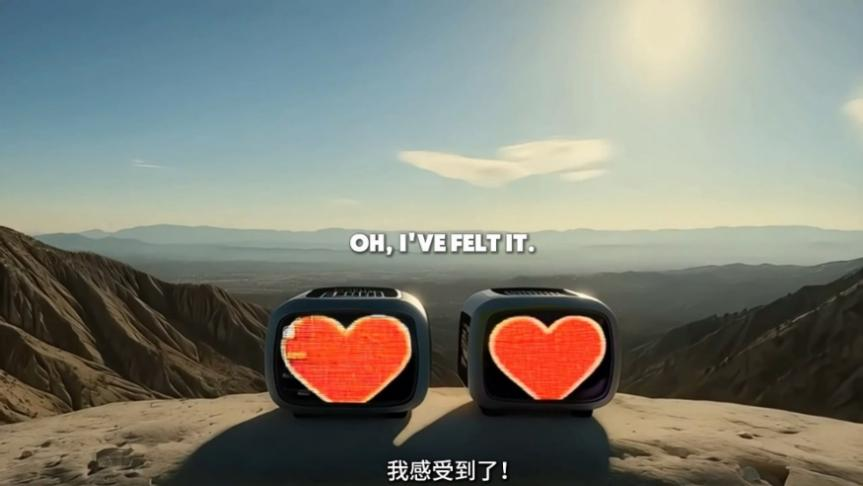
Figure 4: Still from the AI-generated short film "Spark Dance"
During the creative process, one of the key challenges we faced early on was how to choose the most fitting form to present the story. We understood that a formal structure deeply aligned with the narrative is crucial for both storytelling and emotional expression — capable of producing a synergistic effect far greater than the sum of its parts.Questions such as which narrative structure, visual style, and aesthetic language could best convey a story that is absurd on the surface yet tender at its core became the central focus of our early exploration.Through countless rounds of experimentation and practice, we gradually defined the film’s distinctive visual and narrative style, shaping the unique tone that now characterizes the final work.
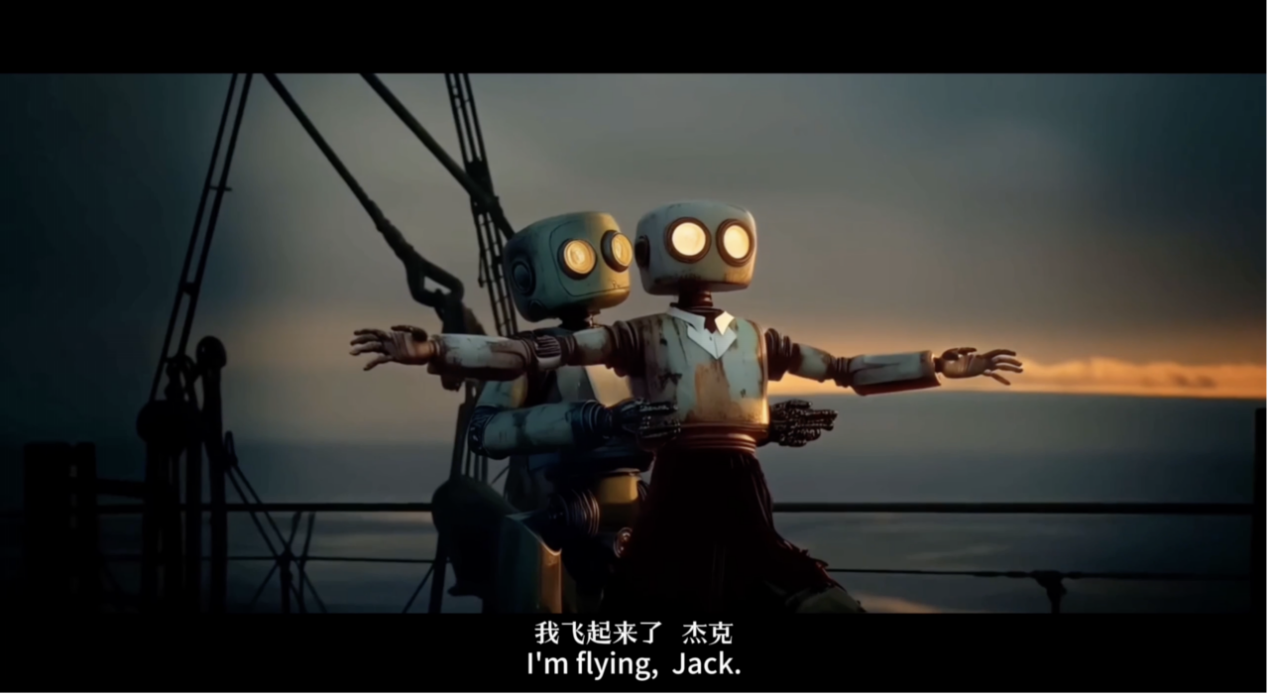
Figure 5: Still from the AI-generated short film "Spark Dance"
Another major challenge arose during the testing phase, an indispensable part of the creative process. To bring a strong concept to life, the first priority was to establish an efficient and results-oriented workflow.In the early stages, we conducted extensive comparative testing across multiple AI platforms, focusing on text-to-image, text-to-video, and image-to-video generation capabilities. The tests revealed that image-to-video models, while somewhat conservative in motion rendering and limited in executing large camera movements, excelled at preserving the original framing, composition, and visual detail of an image. In contrast, text-to-video generation, though less precise in reproducing specific cinematic concepts or faithfully recreating classic film scenes—with lower overall recognizability—demonstrated remarkable creativity and flexibility when generating scenes that did not require strict subject consistency.
At that time, we learned that Hailuo AI had just upgraded its text-to-video functionality and was actively promoting this technology. This inspired us to combine the strengths of both methods. In the production of the film, we divided it into two segments: the opening sequence, built on a flexible text-to-video workflow to capture the robots’ mechanical movements in a deliberately absurd visual style; and the later section, which recreates iconic scenes from classic cinema by first generating still images through text-to-image models, then converting them into moving sequences via image-to-video processing and post-production refinement, achieving accurate replication of the original cinematographic language.During the editing of the hybrid montage sequence, we carefully considered multiple factors — including the historical evolution of cinematic technology, narrative progression, regional production aesthetics, and emotional resonance — to determine the precise order of clips. Each frame was curated to become a fusion of human cinematic tradition and AI algorithmic imagination, ultimately offering the audience a distinctive and immersive visual experience.
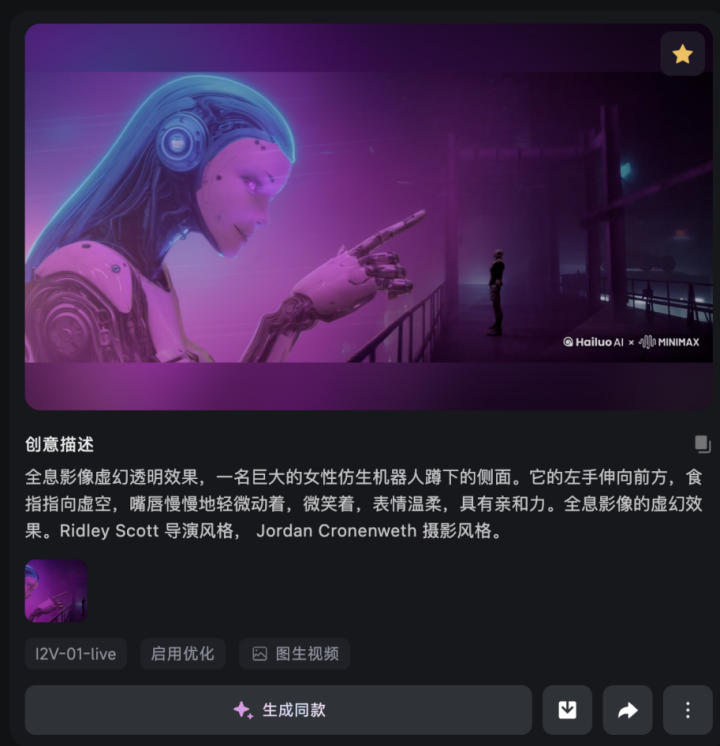
Figure 6: AI-generated short film "Spark Dance"
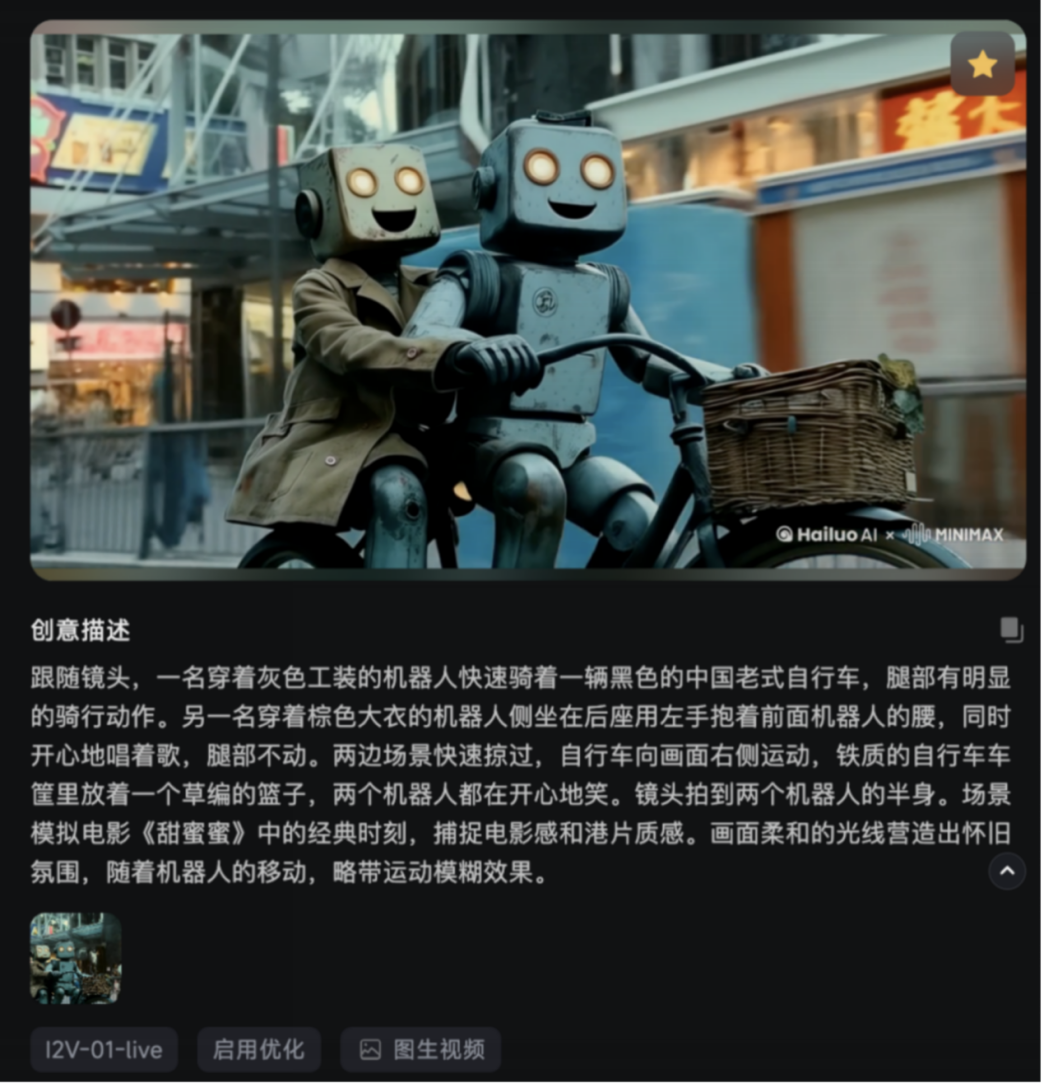
Figure 2: Screenshot of the technical process behind the AI-generated short film "Spark Dance"
Filmmakers’ Statement
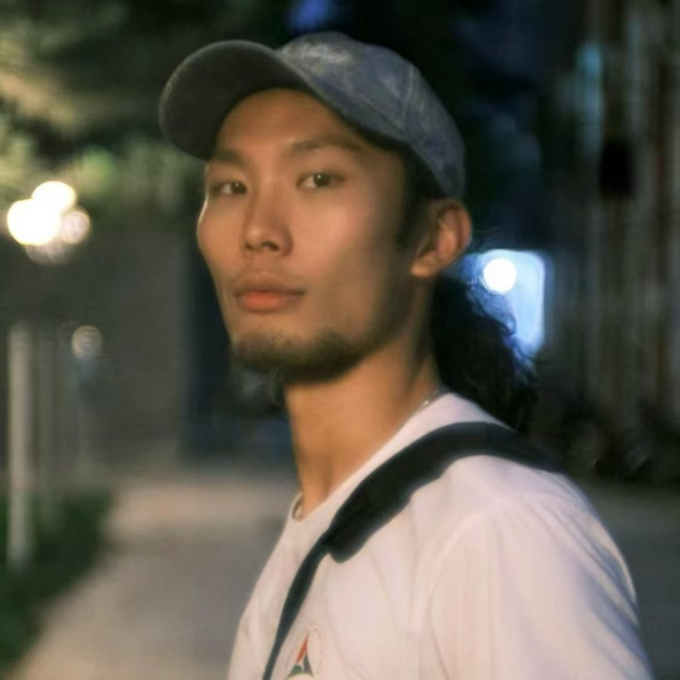
Class of 2022, Master of Fine Arts in Film
Yang Lijian
Biography
Currently pursuing an MFA in Film at the Communication University of China (CUC) and a member of the CUC–Dell Joint Innovation Lab.As a director, Yang’s works — The Moon Man, Who Stole My Cow, Little Backpacker, Songs Along the Way, and Onstage & Offstage — have received numerous awards, including recognition at the Macau International Microfilm Festival, China Collegiate Film and Television Society’s Academy Cup, 13th Five-Year Plan Oriental Cup, Shandong Microfilm Competition, and the Huawei New Image Awards for Global Youth.
Filmmaker’s Statement
I served as the director, editor, and AIGC creator for this film. I believe that AI-based creation can sometimes lead to unexpected discoveries through complementarity. These often arise from the current limitations of AI—its weaknesses compel creators to think more deeply, and in turn, this reflection feeds back into the creative process.For instance, our original plan was to narrate the story from a single robot’s point of view, but at that stage, AI technology hadn’t yet achieved the level of subject consistency we required. This challenge forced us to shift our strategy, and surprisingly, the result turned out even better. The coexistence of robots with different styles, genres, and appearances on the same stage ultimately built a vivid and multifaceted vision of a future robotic society.
AI’s progress today is incredibly rapid—issues like camera control and subject consistency are gradually being resolved. Yet, I still believe that technological advancement is meant to serve creators, not replace them. What matters most is how we choose the right form to best express our story, how we define the aesthetic style that fits our film, and how we tell a story that truly resonates.These, I think, are questions that all creators will continue to face—no matter how technology evolves.
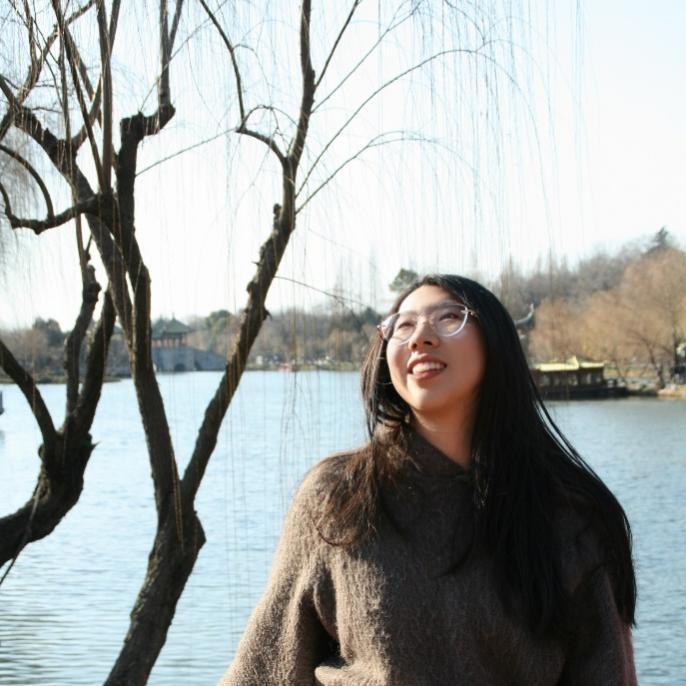
Class of 2023, Master’s Program in Broadcasting and Television Studies (Digital Imaging Research)
Li Yifei
Biography
Digital imaging and AIGC creator. Member of the CUC–Dell Joint Innovation Lab.Recipient of multiple awards including the Gold Prize of the Asia Design Annual Award, Second Prize of the China Innovative Imaging Competition, Outstanding Work Award for Light & Shadow Art Installation at the Shanghai International Light & Shadow Festival, and Second Prize of the Lingjing · Shijingshan Cup. She has also received the National Scholarship for both undergraduate and graduate studies and was honored as one of Beijing’s “Three-Good Students.”
Filmmaker’s Statement
As the art director and AIGC creator of this film, I was responsible for the conceptual design, creative development, and visual refinement, deeply involved in the text-to-image and image-to-video generation processes, as well as the post-production retouching of imagery and poster design.This project marked not only my first exploration into film image creation, but also the first time I systematically applied cinematic language learned during my graduate studies to a complete creative work.
Working with AI was a process filled with both surprises and challenges. Most current AI platforms still rely heavily on randomized trials—like “drawing a card” in a game—to achieve the desired outcome. Obtaining a precise visual result often proved difficult. Yet, the true joy of creation lies in transforming these unintended or “off-track” outputs into expressive and organic visual elements, allowing them to become part of a timely and distinctive AI-generated film aesthetic.
In an era of rapidly advancing technology, every act of creation is an exploration, bringing new insights and breakthroughs. As creators, we must continuously build strong visual resources, refine our aesthetic sensibility, and treat AI as a powerful tool for expressing thought—one that, when fully harnessed, can bring our creative visions vividly to life.
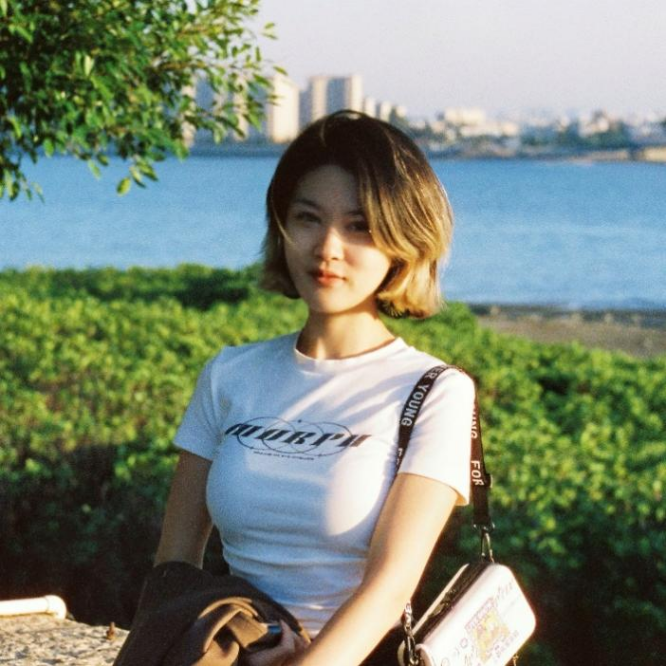
Class of 2023, Master of Fine Arts in Film
Sun Qianhui
Biography
AIGC creator. Previously worked in directing and production teams for several film and television projects, including theatrical feature films. Her short film Sunny Day, which she directed, wrote, and edited, received the Grand Honor Award at the Tokyo Film Awards, a nomination for Best Student Short Film and nominations for Best Cinematography and Best Editing at the Shanghai International Short Film Week, and was selected for the Vancouver Chinese Film Festival, among others.She describes herself as someone who likes to face herself honestly, challenge rules, and embrace all things curious and unconventional.
Filmmaker’s Statement
I was mainly responsible for the concept development and screenplay, as well as editing and image-to-video generation for this film. The initial idea stemmed from a question: “If robots needed to reproduce, how would they understand human love?” This blend of absurdity and philosophical speculation became the seed of the entire project.
Then I thought — what if we anthropomorphized robots and parodied classic romance films, turning all the human protagonists into mechanical beings? That felt like an intriguing and playful way to express the concept.
We began by testing the technical feasibility of this approach, which revealed exciting creative possibilities. During production, we adopted a “technology–narrative dynamic calibration” process — seeking breakthroughs in storytelling through the constant friction and dialogue between creative vision and technical constraint.
In the editing phase, I considered multiple layers — from the evolution of cinematic technology to story development, regional aesthetics, and most importantly, emotional expression — to determine the order of the hybrid montage. Each frame of the finished film became a symbiosis between human artistic heritage and machine learning models.
This project made me deeply aware of the accelerating evolution of generative AI — how the boundaries of creation are expanding at an astonishing speed. I hope that in the near future, more imaginative and boundary-pushing ideas will take root and flourish with the help of AI tools.
Lastly, I would like to express my sincere gratitude to the Dell Technologies × Communication University of China Joint Innovation Lab for their generous support, and to all the teachers and mentors who guided us throughout this journey.
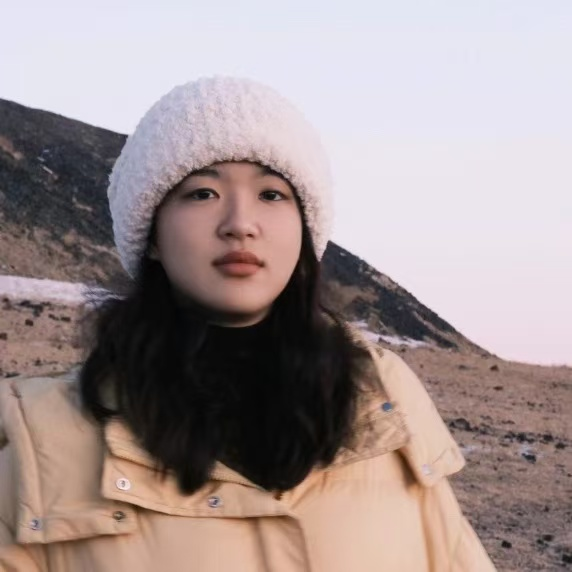
Class of 2024, Master’s Program in Fine Arts and Calligraphy
Luo Zimeng
Biography
Earned her Bachelor’s degree in Stage and Film Art Design at the Communication University of China (CUC) and is now pursuing a Master’s in Fine Arts and Calligraphy at CUC. Member of the CUC–Dell Joint Innovation Lab.Her accolades include a nomination at the 6th GGAC, an Excellence Award at the 3rd Chongqing Animation Art Exhibition, a Third Prize at the 2nd Beijing University Student Cultural Creativity Competition, and a finalist placement in the 2023 China University Student Advertising Art Festival Academy Awards.
Filmmaker’s Statement
In this project, I was primarily responsible for concept development and AI video generation. Centered on the theme of “Robots and Love,” our work explores how robots perceive human emotion. By leveraging AI-generated video, we sought to discover a unique visual and narrative language, blending mechanical aesthetics with classic cinematic imagery to create distinctive compositions.
From parameter tuning to semantic interpretation, each stage of tool iteration expanded the creative possibilities and made me realize the astonishing pace of AI evolution. Yet, in my view, AI should always remain in service of the creator—a tool that opens new horizons rather than replacing human imagination.
In this era dominated by AI, it’s crucial not to become overly dependent on technology. We must cherish our ability for independent thought, continuously honing creative ideas and skills that can shine even without AI. Only by doing so can we move steadily forward on the creative path, constantly pushing our own limits to produce works with true soul and depth.
I am sincerely grateful to the CUC–Dell Joint Innovation Lab for its technical support and mentorship, and to my teammates for creating a positive, inclusive, and collaborative atmosphere that inspired my creativity and fostered rapid growth.
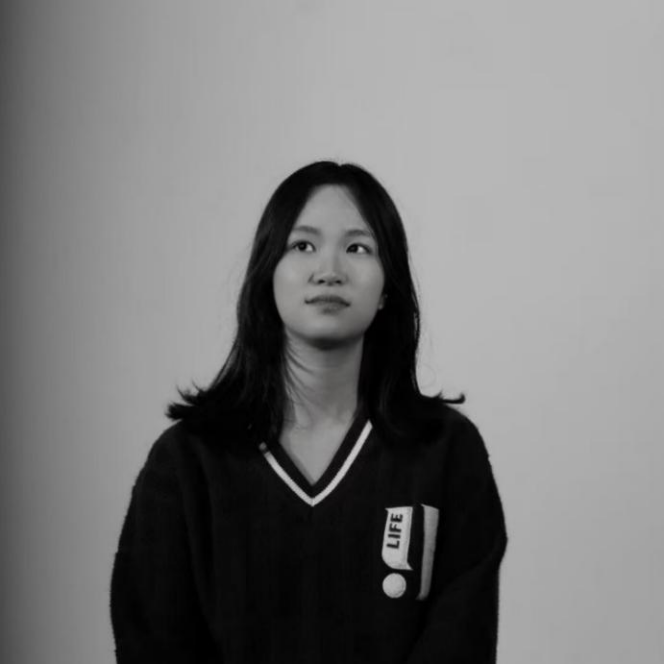
Class of 2024, Undergraduate Program in Cinematography
Liang Yongqi
Biography
Currently pursuing a Bachelor’s degree in Cinematography at the Communication University of China (CUC). Member of the CUC–Dell Joint Innovation Lab.
Filmmaker’s Statement
I was genuinely surprised to receive this award, as this was only my second time participating in an AIGC short film project. I am deeply grateful to the CUC–Dell Joint Innovation Lab for providing such an open and inclusive creative environment that allowed me to grow rapidly as a filmmaker.
This project gave me a profound understanding of the fundamental differences between AI filmmaking and traditional film production workflows. Beyond the well-known advantages of saving time and overcoming spatial constraints, what impressed me most was the fluidity of creative roles. As a team member, I was not only responsible for the core image-to-video generation process, but also able to contribute to early-stage screenplay development and visual design, a level of cross-phase collaboration that would be nearly impossible in conventional film production.We coordinated through cloud-based collaborative documents, synchronizing progress in real time. Each shot—from concept to completion—was refined through multi-dimensional team calibration.
What struck me most was the creative equality enabled by technological innovation. For example, just three years ago, achieving a Blade Runner 2049-level holographic scene would have required a professional 3D team working for weeks. Now, with AI tools, even non-specialist creators can produce high-quality visual effects within a manageable cost.
Perhaps this signals that the film industry is entering a more democratized era of creation—one in which, as technological barriers dissolve, the true value of a work will ultimately return to the creator’s own vision and reflection on the world.